How to Read a Funding Rate Heatmap for Crypto Trading
⏱ 6 min read
- Funding rate heatmaps show where perpetual contract traders are leaning — positive rates mean long bias, negative rates mean short bias.
- Extreme readings on the heatmap often signal potential reversals, especially when combined with price action and volume.
- Use the heatmap as a sentiment filter, not a standalone signal — pair it with support/resistance levels for better entries.
Most futures traders stare at charts all day but ignore the one metric that reveals what everyone else is actually doing. Funding rates tell you if the crowd is long or short, and a heatmap makes that data visual in seconds. Here’s how to read it like a pro.
What Is a Funding Rate Heatmap?
A funding rate heatmap is a visual tool that displays the current funding rates across multiple cryptocurrency perpetual contracts on one screen. Instead of checking each pair individually, you get a grid or matrix where each cell represents a trading pair, and the color tells you the funding rate direction and intensity.
Funding rates are periodic payments between long and short traders on perpetual futures exchanges. They keep the contract price close to the spot price. When the rate is positive, longs pay shorts — meaning the market is bullish. When it’s negative, shorts pay longs — bearish sentiment.
The heatmap aggregates this data from exchanges like Binance, Bybit, and OKX. You’ll see BTC/USDT, ETH/USDT, SOL/USDT, and dozens of altcoins all at once. Some tools even let you filter by exchange or timeframe. CoinDesk has covered how these rates can foreshadow market moves, especially during volatile periods.
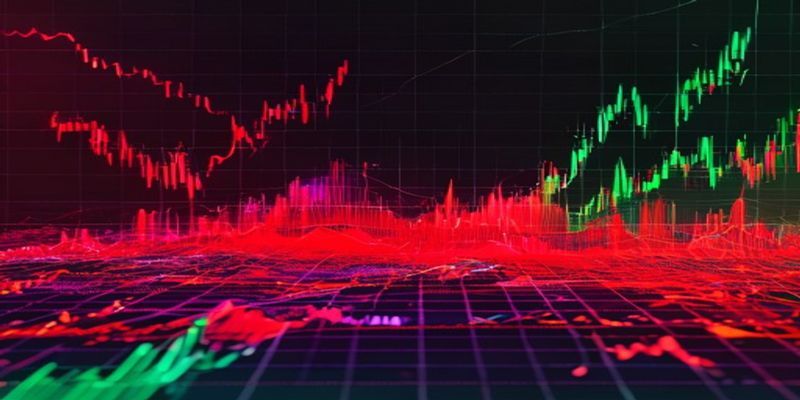
Think of it as a sentiment radar. Red cells mean high positive funding — lots of leverage long. Green or blue cells mean negative funding — shorts are paying up. The darker the shade, the more extreme the skew.
How Do You Read the Colors and Data?
Most heatmaps use a simple color scale. Red shades indicate positive funding rates. The darker the red, the higher the rate — meaning longs are crowded and expensive. Green or blue shades indicate negative funding rates. Dark green means shorts are paying a premium.
But color alone isn’t enough. You also need to check the actual percentage. A funding rate of 0.01% is mild. A rate of 0.1% or higher is extreme — especially on altcoins. Here’s a quick reference:
- 0.01% to 0.05% — Normal long bias. Nothing to act on.
- 0.05% to 0.1% — Elevated. Caution if you’re already long.
- 0.1%+ — Extreme. High risk of a long squeeze or reversal.
- Negative rates below -0.05% — Shorts are crowded. Watch for short squeezes.
Most platforms let you toggle between 1-hour, 4-hour, and 8-hour funding periods. The 8-hour rate is standard on Binance, but shorter timeframes show more recent sentiment shifts. For more on managing risk in these conditions, see Why WLD Funding Rate Signals Behave Differently.
One thing traders miss: funding rates can stay extreme for days in strong trends. A heatmap showing deep red across the board doesn’t automatically mean “sell.” It means the trend is strong but risky. Context is everything.
Why Should You Trade With a Funding Rate Heatmap?
Because it tells you what the crowd is doing — and the crowd is usually wrong at extremes. When everyone piles into one side, the other side becomes a trap waiting to spring. A funding rate heatmap lets you spot these imbalances in real time.
Here’s a concrete example. In early 2024, SOL funding rates hit 0.15% for several hours. The heatmap showed SOL as a bright red cell while most other pairs were neutral. Within 12 hours, SOL dropped 8% in a classic long squeeze. Traders who saw that red flag had time to hedge or go short.
Another use case: scanning for opportunities. You can quickly see which coins have negative funding — meaning shorts are paying. That’s often a precursor to a short squeeze rally. Pair that with a bullish chart pattern, and you’ve got a high-probability setup.
But don’t rely on the heatmap alone. Always check the underlying price action. A coin with high positive funding that’s still making higher highs might keep running. The heatmap is a sentiment filter, not a crystal ball. Investopedia explains that funding rates are just one piece of the puzzle — combine them with volume and support/resistance for the full picture.
Can You Predict Reversals With Funding Rates?
Sort of — but it’s not a timing tool. Funding rate heatmaps show when sentiment is stretched, not when it will snap. The snap could happen in 30 minutes or 3 days. Sound familiar? It’s like watching a rubber band stretch — you know it’ll break, but not exactly when.
What you can do is stack the odds. When you see a pair with funding above 0.1% and price is at a key resistance level, that’s a strong reversal signal. Similarly, if funding is deeply negative and price is at support, a bounce becomes more likely.
I’ve personally used this on ETH multiple times. In one trade, ETH funding was -0.08% while price held the $2,800 support zone. The heatmap showed a cluster of green cells across major alts. I went long, and within 24 hours ETH rallied 6%. The shorts got squeezed.
Here’s a quick checklist for using the heatmap:
- Check the heatmap first — identify extreme cells (dark red or dark green).
- Look at the price chart — is the pair at a key level?
- Check volume — is it increasing or decreasing?
- Wait for confirmation — a candle close against the extreme sentiment.
- Enter with a stop loss beyond the recent swing high/low.
For a deeper dive on combining multiple signals, check out Mantle MNT Perpetual Contract Trend Strategy.
{
“@context”: “https://schema.org”,
“@type”: “FAQPage”,
“mainEntity”: [
{“@type”: “Question”, “name”: “What funding rate is too high to long?”, “acceptedAnswer”: {“@type”: “Answer”, “text”: “A funding rate above 0.1% on major coins or 0.15% on altcoins is generally considered dangerous for new longs. At these levels, the cost of holding a long position becomes expensive, and the risk of a long squeeze increases significantly. Always check the rate before entering a position.”}},
{“@type”: “Question”, “name”: “Can you trade with just a funding rate heatmap?”, “acceptedAnswer”: {“@type”: “Answer”, “text”: “No, a funding rate heatmap should not be your only tool. It shows sentiment but not price structure or volume. Combine it with support and resistance levels, trend analysis, and volume indicators for the best results. Using it alone leads to false signals and losses.”}}
]
}
{“@context”:”https://schema.org”,”@type”:”FAQPage”,”mainEntity”:[{“@type”:”Question”,”name”:”What funding rate is too high to long?”,”acceptedAnswer”:{“@type”:”Answer”,”text”:”A funding rate above 0.1% on major coins or 0.15% on altcoins is generally considered dangerous for new longs. At these levels, the cost of holding a long position becomes expensive, and the risk of a long squeeze increases significantly. Always check the rate before entering a position.”}},{“@type”:”Question”,”name”:”Can you trade with just a funding rate heatmap?”,”acceptedAnswer”:{“@type”:”Answer”,”text”:”No, a funding rate heatmap should not be your only tool. It shows sentiment but not price structure or volume. Combine it with support and resistance levels, trend analysis, and volume indicators for the best results. Using it alone leads to false signals and losses.”}}]}
FAQ
Q: What funding rate is too high to long?
A: A funding rate above 0.1% on major coins or 0.15% on altcoins is generally considered dangerous for new longs. At these levels, the cost of holding a long position becomes expensive, and the risk of a long squeeze increases significantly. Always check the rate before entering a position.
Q: Can you trade with just a funding rate heatmap?
A: No, a funding rate heatmap should not be your only tool. It shows sentiment but not price structure or volume. Combine it with support and resistance levels, trend analysis, and volume indicators for the best results. Using it alone leads to false signals and losses.
So Where Do You Go From Here?
You’ve got the tool — now use it. Next time you open your charts, pull up a funding rate heatmap and compare the extreme cells against the price action. Ask yourself: is the crowd right, or are they about to get burned? That split-second check could save you from entering a crowded trade that’s about to reverse.